How to Use Benzoyl Peroxide Without Wrecking Your Skin Barrier
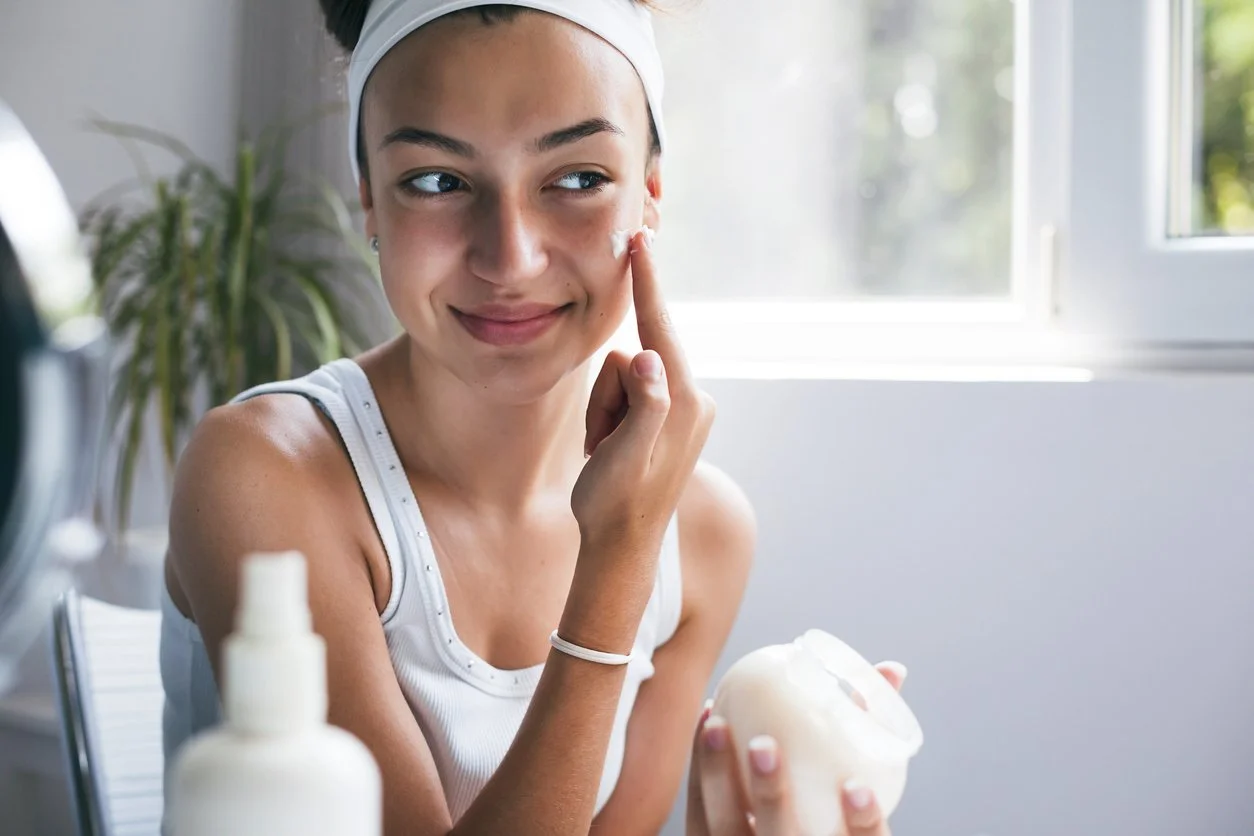
Benzoyl peroxide can be one of the most helpful ingredients for acne-prone skin. It is both a keratolytic and antimicrobial that loosens dead skin cell buildup while also killing C. acnes, the main bacteria associated with acne.
But like any active ingredient, benzoyl peroxide works best when it is used properly. The wrong application, frequency, or supporting routine can lead to dryness, peeling, irritation, and a pretty unhappy skin barrier.
So, let’s discuss how to use benzoyl peroxide the right way for the best results.
A Little Bit Goes A Long Way
It is easy to fall victim to the idea that if a little works, more must work better — but with benzoyl peroxide, that is not the case. In fact, benzoyl peroxide is an active that can be completely fine when it is introduced slowly, but cause redness and inflammation when it’s rushed into. That’s why it’s best to start low and go slow.
Cleansers: Apply benzoyl peroxide cleanser to wet skin and gently work it into the skin for 1-2 minutes before rinsing thoroughly. That is all it takes. Cleansers usually have a higher percentage of benzoyl peroxide that is strong enough to be effective with a short cleanse, so scrubbing harder or leaving it on longer is not necessary.
Start by using a small amount on a small area of the face for the first few days to check for sensitivity. If your skin tolerates it, you can gradually move up to using it every other day, then daily.
Some acne treatment plans may recommend using a benzoyl peroxide cleanser twice daily, but you should still start with a sensitivity test and increase frequency slowly over time.
Gels, Serums, & Creams: After cleansing, apply a thin amount to acne-prone areas of the face and massage it in completely. If it takes more than a few seconds to absorb, you’ve applied too much.
Start with a sensitivity test here too, and advance to every other day, then daily as tolerated. For more sensitive skin, benzoyl peroxide can be worn for up to 30 minutes to 2 hours and then washed off.
Be mindful of sensitive areas. If you typically break out on your cheeks, chin, or forehead, apply the product over those acne-prone zones while avoiding delicate areas like around the eyes, corners of the nose, and lips.
Some treatment plans, such as Face Reality’s Clear Skin Method, have a time schedule that outlines how to introduce their benzoyl peroxide products, and in that case, follow their guidelines for best results.
More Than Just A Spot Treatment
Another common mistake with benzoyl peroxide is only applying it to visible pimples. While it is effective as a spot treatment, acne does not start the day you see it on the surface.
Breakouts can begin forming below the surface long before they become red, inflamed, or noticeable. When you only treat the spots you can see, you can miss the opportunity to treat developing lesions and it may seem like you’re never completely clear.
Benzoyl peroxide is a much more helpful tool for you when you understand it isn’t just a treatment for active lesions, but a preventative to minimize future breakouts.
Support Your Barrier
Even with proper application, benzoyl peroxide can still be drying and irritating to the skin. That is why the rest of your skincare routine is important.
Unless otherwise directed by your skincare professional, avoid pairing benzoyl peroxide with other potentially irritating or barrier compromising products such as scrubs, drying toners, harsh cleansers, or exfoliants. Instead, choose products that give back to the skin by replenishing moisture, supporting barrier lipids and proteins, and calming irritation.
Some dryness or mild peeling can happen when starting benzoyl peroxide, but burning, intense redness, stinging, or raw-feeling skin is a sign to slow down. More burning or irritation does not mean the product is working better. Acne actually becomes more difficult to manage when the skin is inflamed, dehydrated, or compromised. So, don’t push your skin if you notice it’s struggling.
Your skin will also be at a higher risk for photodamage while using benzoyl peroxide, so sun protection is a must. Wear and reapply an SPF of 30 or higher and limit sun exposure.
A Few Things To Keep In Mind
Benzoyl peroxide can bleach towels, pillowcases, washcloths, and clothing, so be mindful after applying it. Wash your hands well after use and give the product time to fully absorb before laying down or getting dressed.
It is also important to remember that acne treatment takes consistency. Benzoyl peroxide can be very helpful, but it is not an overnight fix. Breakouts can take time to calm, and new acne may still surface while your skin is adjusting.
The goal is not to dry your skin out or burn your acne into submission. The goal is to use benzoyl peroxide in a way your skin can actually tolerate, so it can do its job without wrecking your barrier.
When used correctly, benzoyl peroxide is a great tool for managing acne. Start slow, use the right amount, support your barrier, and give your skin the time it needs.